
Understanding Skin Aging: Prevention and Treatment Strategies
Explore the science behind skin aging and discover evidence-based strategies to maintain youthful, healthy skin at any age.
The Science of Skin Aging
Aging is a natural process that affects every organ in our body, including our largest organ—the skin. Understanding what happens beneath the surface as we age empowers us to make informed decisions about prevention and treatment.
Two Types of Aging
Intrinsic Aging (Chronological)
Intrinsic aging is the natural aging process determined by our genetics. It begins in our mid-20s and progresses steadily throughout life.
What happens internally:
- Collagen production decreases by about 1% per year after age 20
- Elastin fibers lose their spring and resilience
- Cell turnover slows (taking 40-60 days instead of 28)
- Natural hyaluronic acid production declines
- Fat pads in the face shift and diminish
- Bone density decreases, affecting facial structure
Visible signs:
- Fine lines and wrinkles
- Thinner, more fragile skin
- Loss of firmness and elasticity
- Slower wound healing
- Dry skin
Intrinsic aging is largely inevitable, but its pace is influenced by factors we can control.
Extrinsic Aging (Environmental)
Extrinsic aging is caused by external factors—and is largely preventable. Studies suggest that up to 90% of visible skin aging is due to environmental factors, not genetics.
Primary external factors:
Sun Exposure (Photoaging)
UV radiation is responsible for the majority of premature skin aging. UVA rays penetrate deep into the dermis, damaging collagen and elastin. UVB rays damage the surface and cause sunburn.
Pollution
Free radicals from pollution break down collagen and cause oxidative stress, leading to dark spots and accelerated aging.
Smoking
Tobacco smoke reduces blood flow to the skin, depletes nutrients, and generates free radicals. Smokers develop more wrinkles and have a gray, sallow complexion.
Repetitive Facial Movements
Expressions like squinting, frowning, and smiling create lines that become permanent as skin loses elasticity.
Poor Nutrition
A diet high in sugar and processed foods contributes to glycation, where sugar molecules damage collagen fibers.
Inadequate Sleep
During sleep, your body repairs cellular damage and produces growth hormone. Chronic sleep deprivation accelerates aging.
Changes by Decade
20s
- Skin is at its peak
- Collagen production begins declining
- First expression lines may appear
- Focus: Prevention and protection
30s
- Fine lines become noticeable
- First signs of sun damage appear
- Skin may become drier
- Cell turnover slows noticeably
- Focus: Active prevention and early intervention
40s
- Deeper wrinkles develop
- Skin loses elasticity
- Pigmentation changes become more apparent
- Skin becomes drier and thinner
- Focus: Restorative treatments and continued prevention
50s and Beyond
- Significant loss of collagen and elastin
- Skin becomes thinner and more fragile
- Deep wrinkles and folds
- Age spots and uneven pigmentation
- Focus: Intensive repair and maintenance
Prevention Strategies
Daily Sunscreen Use
This cannot be overstated: sunscreen is the most effective anti-aging product available. SPF 30 or higher, broad-spectrum protection, applied every day—regardless of weather, skin tone, or time indoors.
Sunscreen facts:
- UVA rays penetrate clouds and windows
- Dark skin tones also experience photoaging
- Reapplication is necessary every 2 hours of sun exposure
- No sunscreen blocks 100% of UV rays—use additional protection
Antioxidant Protection
Antioxidants neutralize free radicals before they can damage skin cells.
Key antioxidants:
- Vitamin C: Brightens, protects, supports collagen
- Vitamin E: Protects cell membranes, works synergistically with vitamin C
- Niacinamide: Strengthens skin barrier, reduces inflammation
- Resveratrol: Found in grape skin, powerful anti-aging properties
- Green tea extract: Anti-inflammatory and protective
Retinoids
The gold standard for anti-aging, retinoids are vitamin A derivatives that:
- Accelerate cell turnover
- Stimulate collagen production
- Fade dark spots
- Smooth fine lines
- Improve skin texture
Start with lower concentrations and build tolerance gradually.
Healthy Lifestyle
Nutrition
- Eat antioxidant-rich fruits and vegetables
- Include omega-3 fatty acids (fish, walnuts, flaxseed)
- Limit sugar and processed foods
- Stay hydrated
Sleep
- Aim for 7-9 hours nightly
- Use a silk pillowcase to reduce friction
- Consider sleeping on your back to prevent sleep lines
Exercise
- Improves circulation and oxygen delivery to skin
- Reduces stress hormones
- May help maintain collagen
Stress Management
- Chronic stress elevates cortisol, which breaks down collagen
- Practice meditation, deep breathing, or other relaxation techniques
Treatment Options
At-Home Treatments
Retinoids
Over-the-counter retinol or prescription tretinoin for more dramatic results.
Chemical Exfoliants
AHAs and BHAs promote cell turnover and improve texture.
Peptides
Signal skin to produce more collagen; gentler than retinoids.
Growth Factors
Support skin repair and collagen synthesis.
Professional Treatments
Chemical Peels
Controlled exfoliation that stimulates collagen production and cell turnover.
Microneedling
Creates controlled micro-injuries that trigger collagen and elastin production.
Laser Treatments
Various types target different concerns—resurfacing, pigmentation, tightening.
LED Light Therapy
Red light stimulates collagen; blue light kills acne bacteria.
Radiofrequency
Heats deeper layers of skin to tighten and stimulate collagen.
Injectable Treatments
- Neurotoxins (Botox): Relax muscles that cause expression lines
- Fillers: Restore lost volume and soften lines
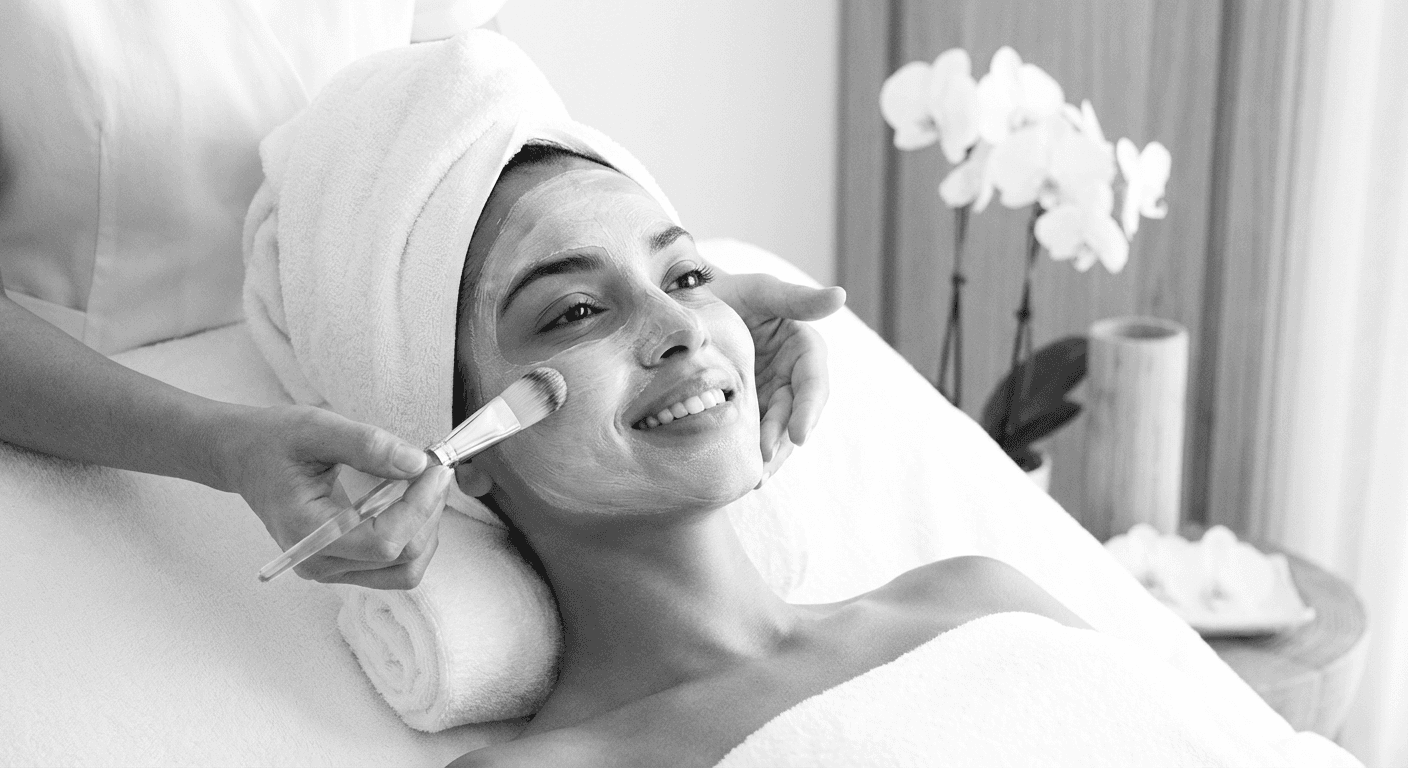
The Role of Professional Facials
Regular professional facials support your anti-aging routine by:
- Providing deeper exfoliation than home products
- Delivering concentrated active ingredients
- Addressing specific concerns with targeted treatments
- Maintaining skin health between more intensive treatments
- Professional assessment of your skin's changing needs
Realistic Expectations
No product or treatment can stop aging entirely or reverse decades of damage overnight. What you can achieve:
- Slowing the visible signs of aging
- Improving skin texture and tone
- Reducing the appearance of fine lines
- Maintaining skin health and hydration
- Preventing future damage
The earlier you begin a prevention routine, the better your long-term results. However, it's never too late to start—skin responds to good care at any age.
A Personalized Approach
Everyone ages differently based on genetics, lifestyle, and accumulated sun exposure. Your anti-aging strategy should be personalized to your:
- Current age and skin condition
- Primary concerns
- Lifestyle factors
- Budget and time commitment
- Tolerance for treatments and downtime
Working with a skincare professional helps you develop a comprehensive plan that evolves with your skin over time.
Embracing the Journey
Aging is a privilege not everyone receives. While taking care of our skin is important, so is embracing our changing faces with grace. The goal isn't to look twenty forever—it's to have healthy, vibrant skin that makes us feel confident at every age.
By understanding the science of aging and implementing evidence-based strategies, you can maintain beautiful skin while embracing the natural evolution of your appearance.
BZ Esthetics Team
Our team of licensed estheticians and beauty professionals share their expertise to help you achieve your beauty goals. Every article is researched, fact-checked, and written with your wellness in mind.